
AI literacy training (EU AI Act): hands-on basics
AI literacy training for your whole team, in line with Article 4 of the EU AI Act. Hands-on, safe and directly usable. In-house in the Benelux or online.
- Format
- Half day (4 hours) or Full day (8 hours)
- Level
- Foundation
- Audience
- All employees, including those without a technical background
- Location
- In-house or online
- Language
- English, Dutch or German
Trusted by, among others












AI literacy training gives a broad group a practical, hands-on foundation in generative AI. Participants learn what AI can and cannot do, how to work safely and how to apply AI to their daily tasks straight away. It is a structured first step in the learning path, not a one-off workshop.
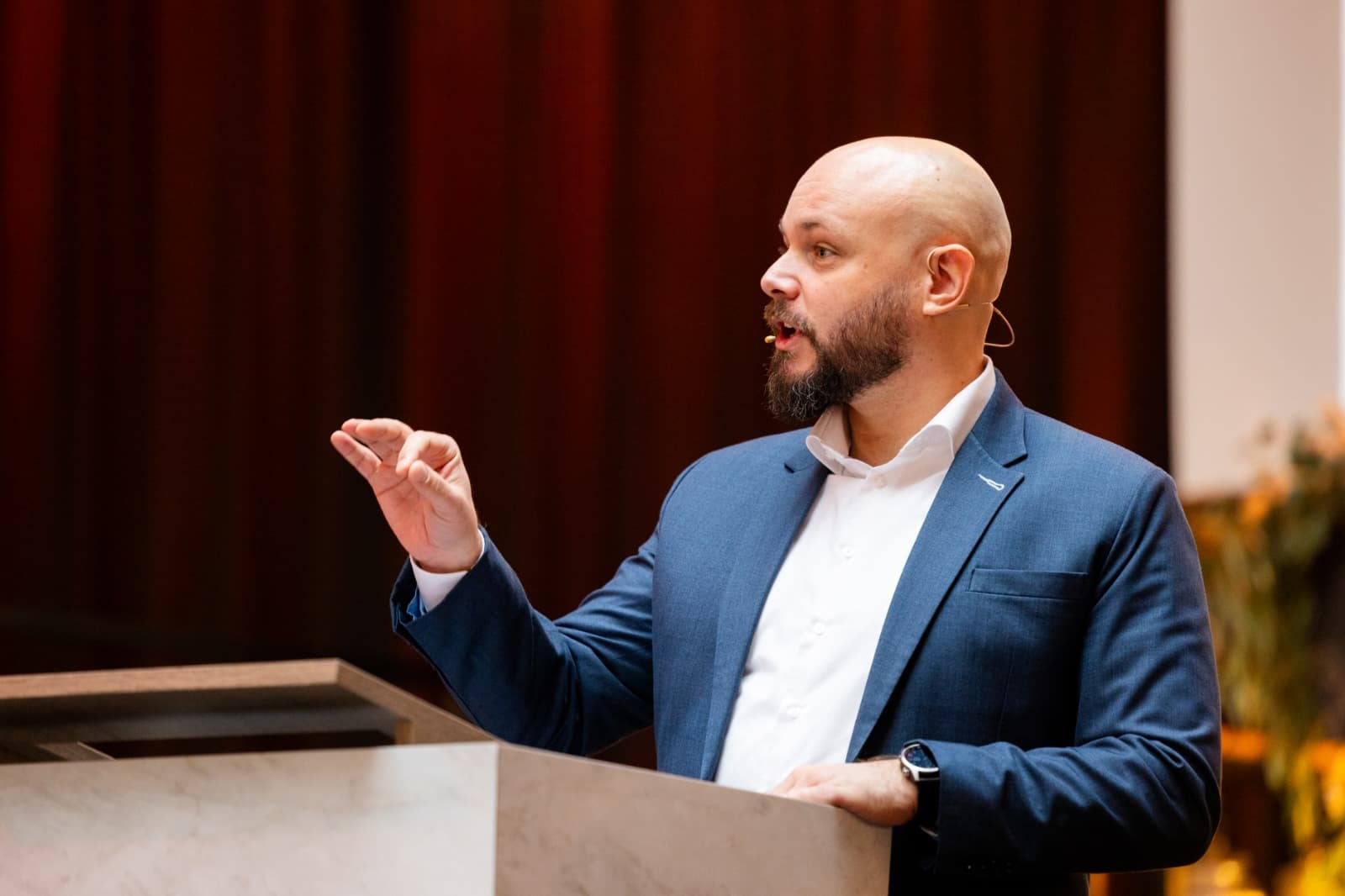
Your trainers are experienced AI trainers from our team, including Tim Goudriaan and Diederik Stolk.
What the EU AI Act asks of you on AI literacy
Article 4 of the EU AI Act asks every organisation that uses AI systems to take measures to build the AI literacy of the people working with them. That covers employees, but also others who use AI on the organisation’s behalf. Because it is an EU regulation, the same rule applies whether your office is in Amsterdam, Brussels or Luxembourg, and whether your team works in English, Dutch or French.
The rule changed in July 2026. From February 2025, Article 4 asked organisations to ensure, to their best extent, a sufficient level of AI literacy. Regulation (EU) 2026/1744, in force since 27 July 2026, replaced that with an obligation of effort: you must take measures, but you no longer have to guarantee a specific level for any individual. The duty to act remains, and training is the most obvious measure.
The law does not prescribe a certificate or a fixed number of hours. It makes sense to take the knowledge, experience and role of your people into account. A shared, hands-on foundation for everyone who uses AI is the logical place to start. For the wider obligations under the regulation, see our EU AI Act compliance consulting.
What an AI literacy training looks like
From the first minute you work on your own tasks. Take a weekly progress report. Normally you start with a blank document. In the training you put your rough notes into an AI tool. With a few targeted instructions you steer the result. Within minutes you have a readable draft that you finish yourself.
Every module follows the same pattern: a short explanation, then practising on a realistic example. You compare approaches with the group and apply each technique straight away to work you recognise. By the end you don’t just know how AI works, you have used it on your own tasks.
AI literacy as the first step in the learning path
Every training can be taken on its own or as part of a learning path. After AI literacy, your team goes deeper into specific tools and roles with the Advanced AI training, or turns the knowledge into fixed ways of working with AI Way of Working.
Afterwards every participant receives the Awareness Badge. Want the knowledge formally recorded? Participants can sit an exam for the AI literacy certificate of the Dutch Foundation for the Promotion of AI Literacy (Stichting ter bevordering van AI-Geletterdheid).
Training large numbers of employees? Take a look at our programme at scale. Rolling out AI more broadly? Take a look at our AI consulting for organisations.
Good to know
The training revolves around your own practice. As standard we lightly tailor the content to your sector, roles and tools, and work with examples your participants recognise.
Want to start more broadly? A substantial curriculum of your own is possible, as is an energetic AI hackathon to get the subject moving inside your organisation.
What you will learn
- You understand what generative AI is, and where it does and does not help you.
- You write effective professional prompts with our five-step model.
- You check AI output critically for accuracy and usefulness.
- You know the main risks and work safely and responsibly.
- You apply AI to everyday work: writing, summarising, preparing meetings and more.
- You go home with your own prompt set and worked examples.
How the training is structured
Half day or full day, in-house or online
-
Introduction and AI basics
30 minWhat is generative AI, and what can't it do?
- The difference between search, automation and generative AI
- What language models do and do not understand
- Why you always check the output
-
Effective prompting
45 minThe five-step model in practice
- Persona, Task, Context, Criteria, Output
- Iterative prompting and improving output
- Assessing prompts for usefulness
-
Safe and responsible use
45 minRecognising risks and working responsibly
- Privacy and confidential information
- Bias, hallucinations and reliability
- Human responsibility and policy
-
Everyday productivity
60 minGetting started with everyday tasks
- Writing, rewriting and summarising
- Preparing meetings, drafting emails and reports
- Structured brainstorming
-
Personalisation and automation
45 minTuning AI to your own work
- Custom instructions and Deep Research
- Simple automations around your own tools
- Recognising recurring tasks
-
Applying it to your own work
45 minYour own examples and a personal prompt set
- Testing prompts on realistic work examples
- Building a personal prompt set
- Exploring next steps in the learning path
Where AI helps
Writing and rewriting faster
Drafting and sharpening emails, memos and reports, and rewriting texts for a different tone or audience.
Preparing and minuting meetings
Drawing up agendas, summarising meeting notes and pulling out the action points in one go.
Long documents down to the essentials
Summarising reports, policy papers and email threads, so you see faster what matters.
Structured brainstorming
Exploring, organising and sharpening ideas when you are stuck or looking for a fresh angle.
Handling sensitive information safely
Recognising what you should and should not put into an AI tool, and checking the output for errors and fabrications.
A prompt set that keeps working
Saving proven prompts for the tasks you repeat every week, ready to use straight away.
Training tailored to your organisation
We are happy to build a programme that fits your practice, team and learning goals. Fill in the form and we will schedule an introductory call within one working day.
-
Fully tailored
Content and examples matched to your sector, team and way of working.
-
At your offices or online
4 or 8 hours, groups of up to 20 participants, in English or Dutch. Anywhere in the Benelux.
-
Proof of attendance
Attendance is registered; for legal training, CPD points may be possible.
Our method: the five-step prompting model
In every training you work with our five-step model. It helps you write prompts that are reliable, repeatable and directly usable in your own work.
- P
Persona
What role and tone do you give the AI?
- T
Task
What task? Concrete and clearly scoped.
- C
Context
What background and sources are relevant?
- C
Criteria
What must the result meet?
- O
Output
In what form do you want the answer back?
What you receive
After this training: badge and certificate
You complete this training with the Awareness Badge. Want your AI literacy formally and independently recognised as well? Then you take an exam for the accredited certificate of the Stichting ter bevordering van AI-Geletterdheid (Foundation for the Promotion of AI Literacy).
- Awareness Badge included
- Prepares for SAIG-Basis
Awareness Badge
Every participant receives the digital Awareness Badge afterwards. No exam needed.
Official certificate
Have your knowledge tested at Basic, Practitioner or Advanced level. Administered independently on the assessment platform of the Stichting ter bevordering van AI-Geletterdheid.
Training in action
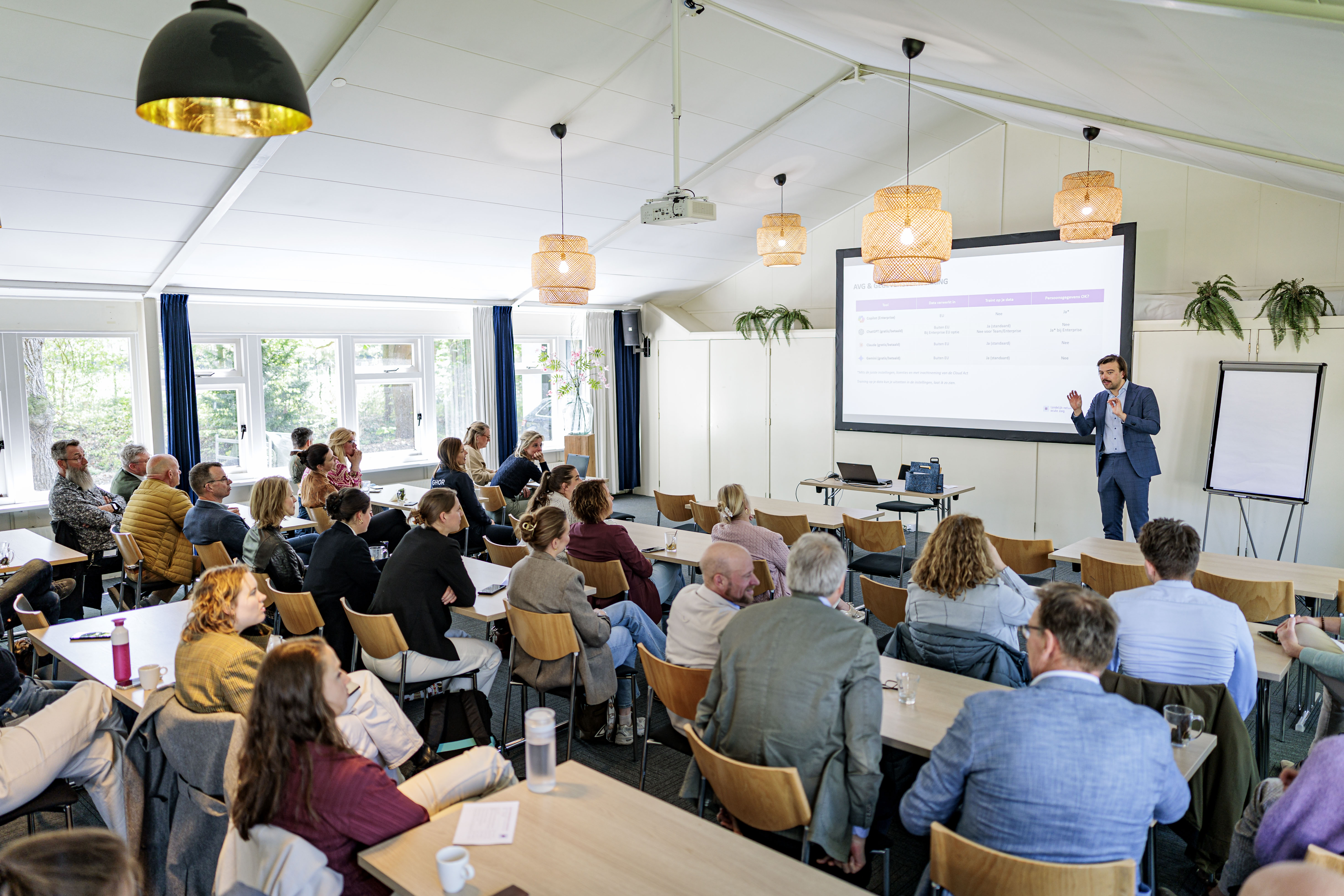
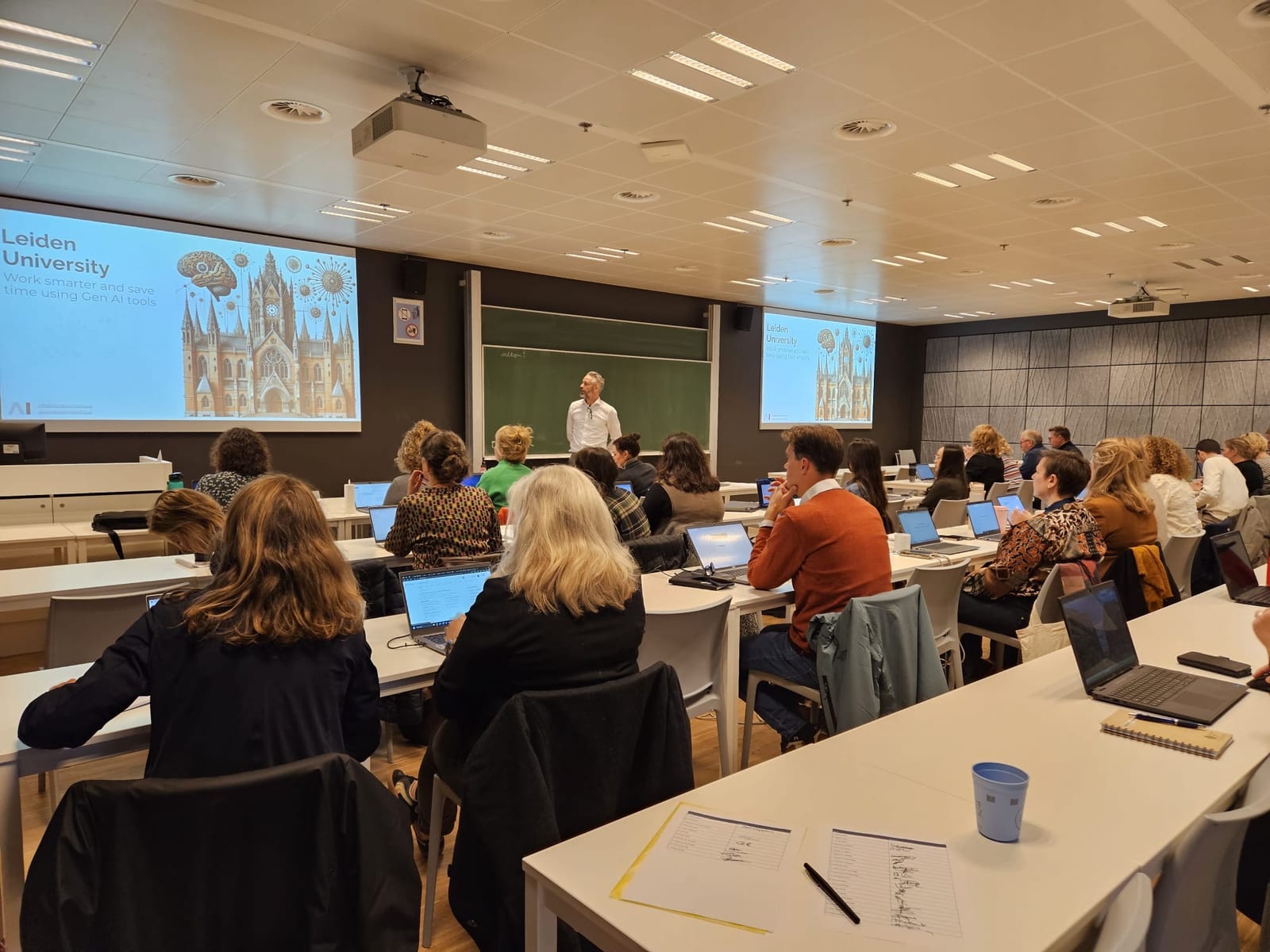
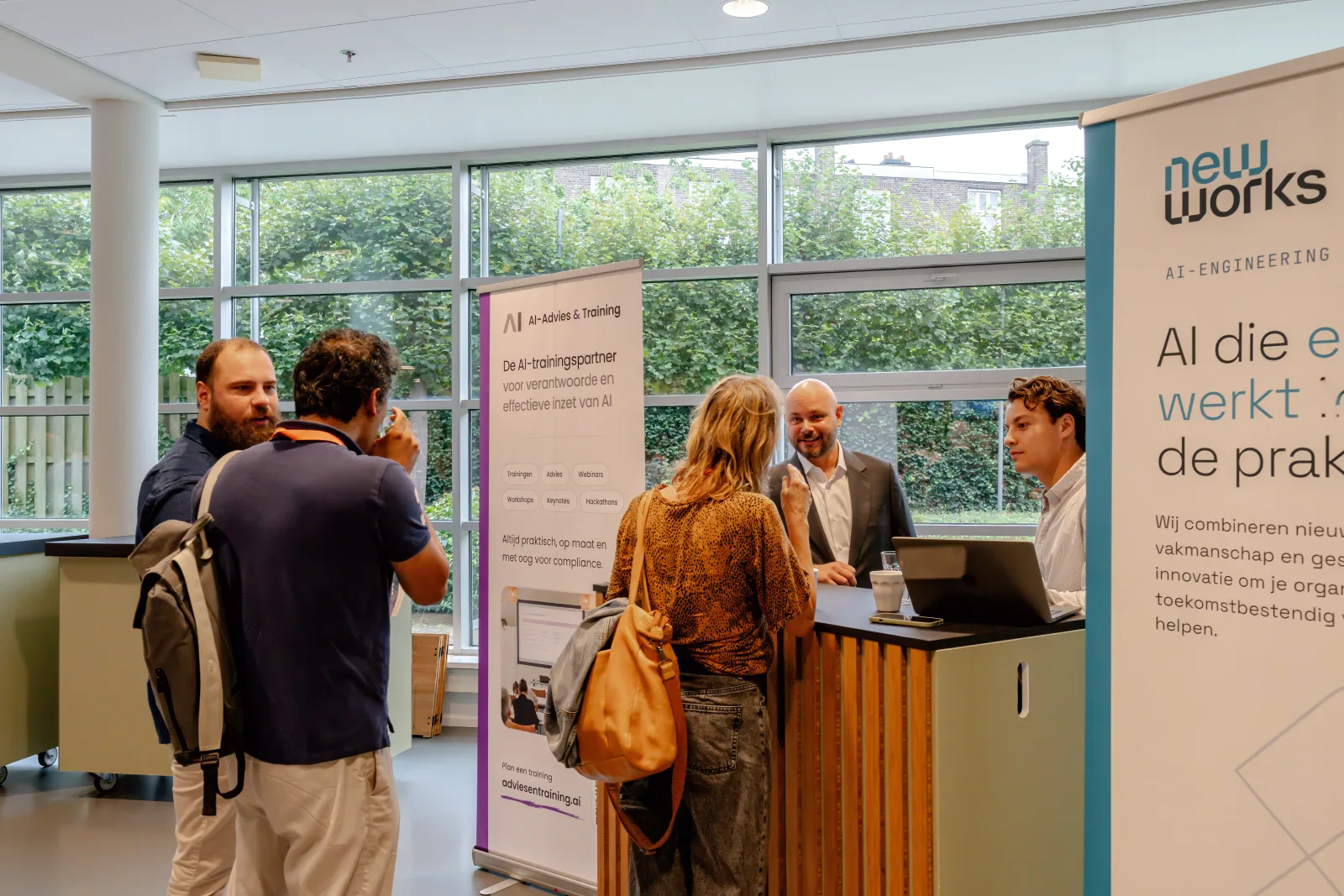
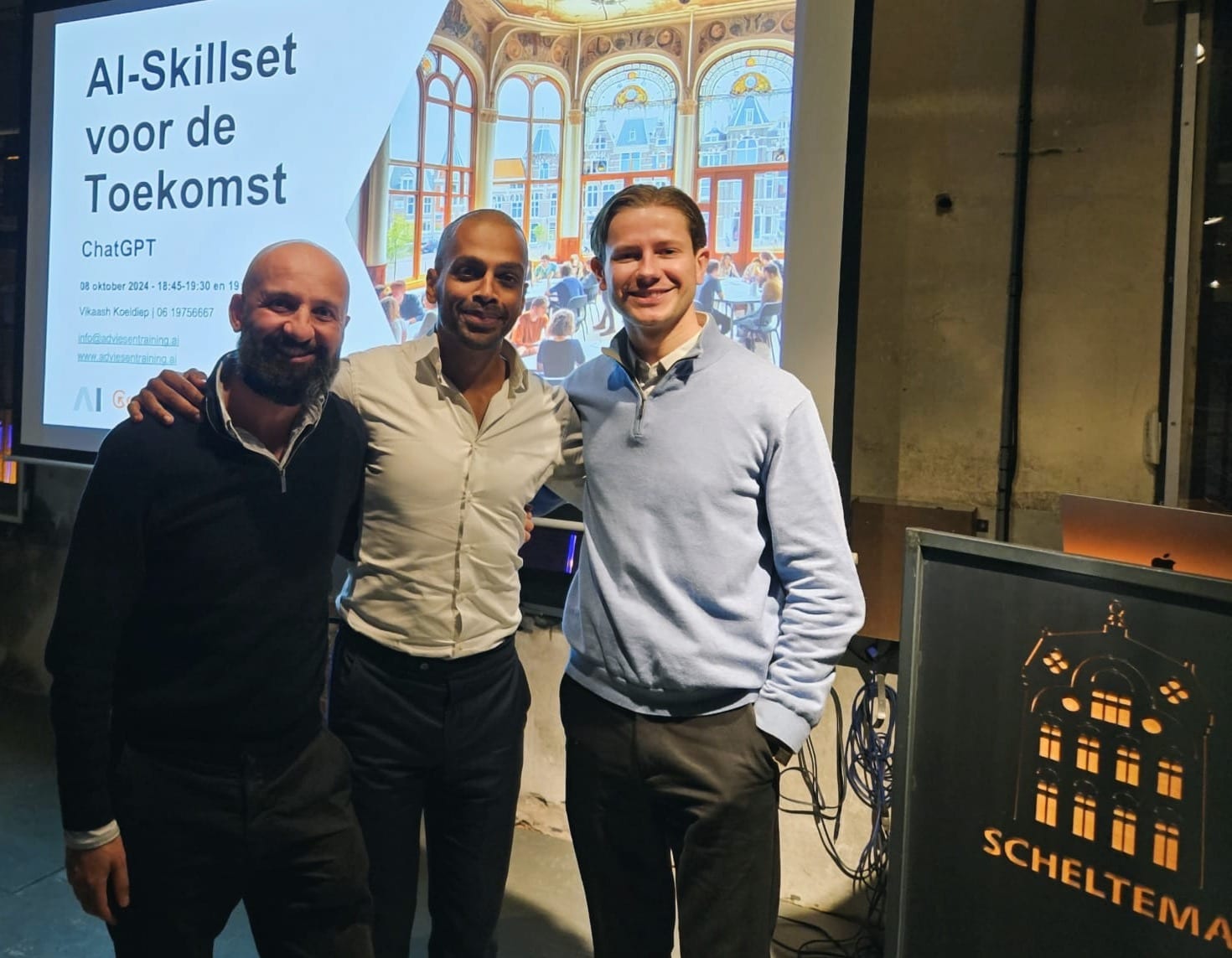
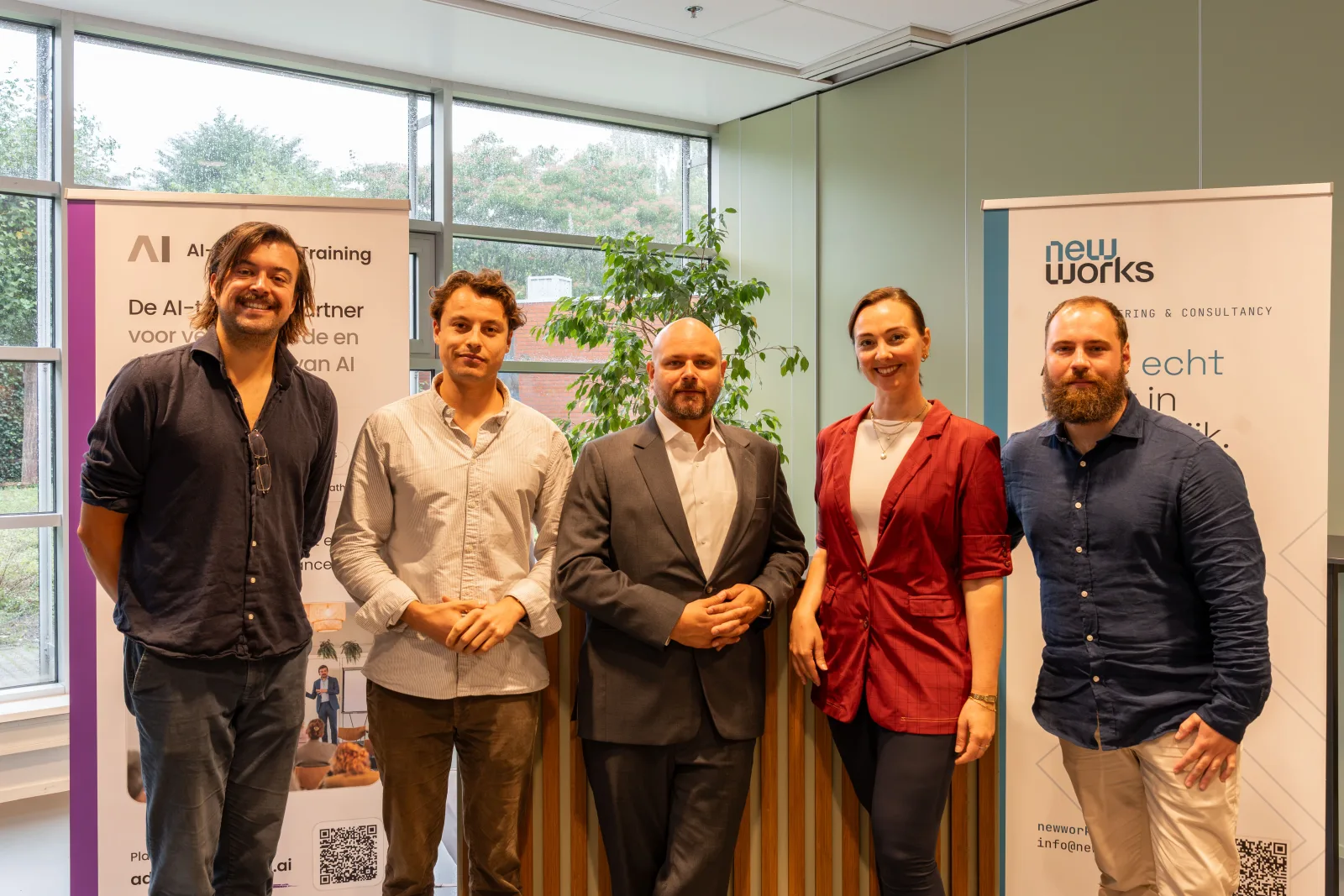
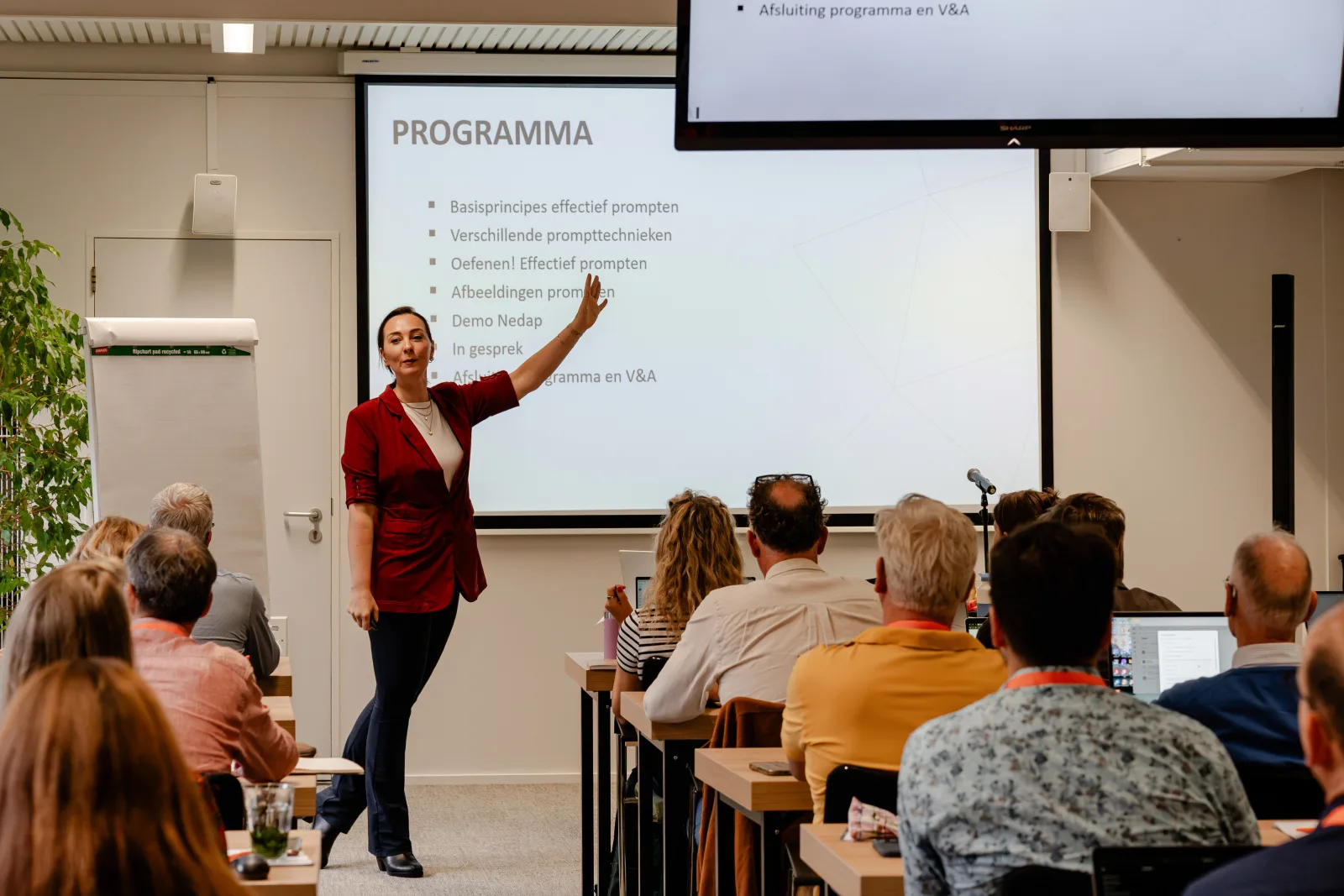
From in-house workshops to keynotes for hundreds of participants
Frequently asked questions
Does the EU AI Act require AI literacy training?
Not a specific course, but it does require action. Article 4 of the EU AI Act asks organisations that use AI systems to take measures to build the AI literacy of their staff and others who work with AI on their behalf. Since an amendment in July 2026 it no longer requires a guaranteed level of AI literacy, but the duty to act still applies in every EU member state, so in the Netherlands, Belgium and Luxembourg alike. Training is the most obvious measure, and this training is a practical way to take it and show that you did.
Is prior knowledge needed?
No. The training suits non-technical and mixed groups. We start with the basics.
How many participants can take part?
A group usually has 6 to 30 participants. With more than 15 participants we bring two trainers, so everyone gets enough personal attention.
Is the training available in English?
Yes. We deliver in English, Dutch or German, and mixed Dutch and English groups work fine. Other languages on request.
What is the difference between a half day and a full day?
In a half day you lay the foundation: what AI is, safe prompting and first applications. In a full day you practise longer, go deeper into personalisation and work through more of your own use cases.
Can we tailor the content to our sector?
Yes. Light tailoring to your sector, roles and tools is included as standard. A substantially new curriculum falls under our programme at scale.
Ready for this training?
Request an in-house training, or start with a no-obligation introductory call.
Prefer email? secretariaat@adviesentraining.ai